
just parabraph
The Strategic Power of a Custom-Built Website
With the rise of modern no-code platforms and AI builders, it has never been easier to click a few buttons and launch a webpage. It is a tempting proposition for many business owners looking to save a quick buck. However, there is a massive difference between a webpage that exists online and a website that actually generates revenue.
While DIY tools promise speed and low upfront costs, they often lead to hidden structural flaws that hurt a business in the long run. Hiring a professional web designer is not an expense; it is a strategic investment that directly impacts a business’s credibility, customer acquisition, and bottom line.
just parabraph
heading
Why Chose a Web Designer
heading
just parabraph
The Paradox of “Free” and “Easy” DIY Tools
DIY website builders make their money by selling convenience. What they don’t tell you is how much of your own time you will burn trying to make it look professional.
- The Time Sink: Business owners often spend dozens of hours tweaking templates, trying to fix misaligned text blocks, or figuring out why a form won’t submit.
- The Opportunity Cost: Every hour spent playing web developer is an hour lost on core operations, managing clients, or closing sales.
- The Reality: Professional designers build it correctly the first time, freeing you up to focus on what actually makes your business money.
Custom Strategy vs. Rigid Templates
When you use a DIY builder, you are forced into a generic template. The issue is that hundreds of your competitors are likely using the exact same layout.
| Aspect | DIY Website Building | Professional Web Design |
|---|---|---|
| Identity | Blends in with generic, overused templates | Custom-built to match your unique brand identity |
| Functionality | Limited to basic features allowed by the platform | Tailored user experience (UX) to guide user actions |
| Scalability | Hard to add complex, custom features later | Built on clean, flexible architecture ready for growth |
just parabraph
The Invisible Essentials: Speed, SEO, and Mobile Optimization
A great website is like a sports car; what matters most is the engine under the hood. DIY websites often suffer from bloated code that slows down performance, directly hurting your visibility on Google.
- Lightning Load Speed: Professional designers know how to compress images, clean up script code, and optimize caching. If a site takes longer than three seconds to load, over half of your visitors will click away.
- Mobile-First Responsive Design: Your site must look flawless on everything from an iPhone 13 to a 27-inch desktop monitor. DIY templates often break or look messy when viewed on different screen sizes.
- Built-in SEO Strategy: Professionals don’t just design; they set up proper header hierarchies, metadata, clean URL structures, and site maps so search engines can actually crawl and rank your business.
Trust and Consumer Psychology
A amateur website acts as a massive red flag to modern consumers. Missing security certificates (HTTPS errors), awkward font pairings, broken links, or generic stock images scream a lack of legitimacy.
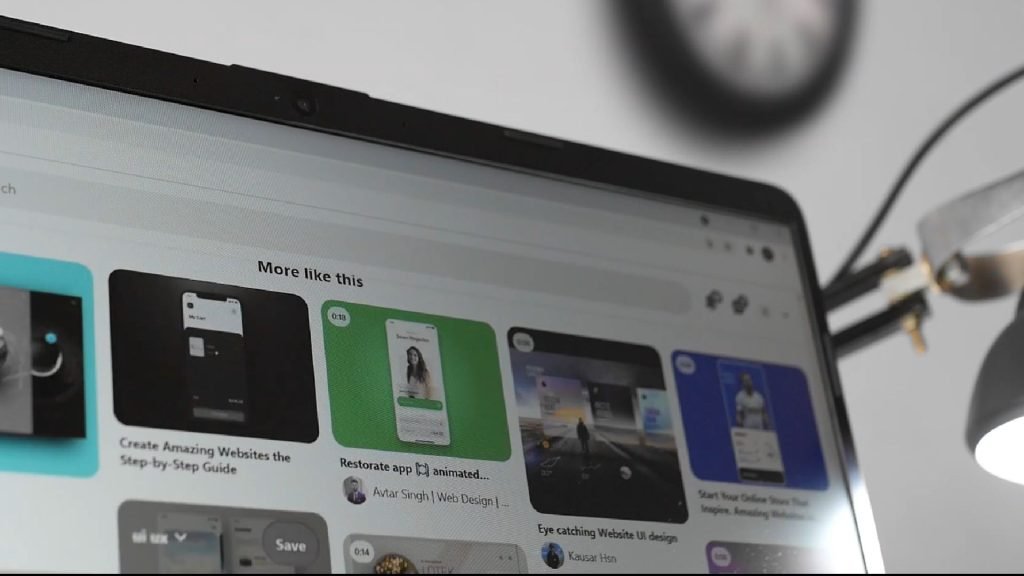
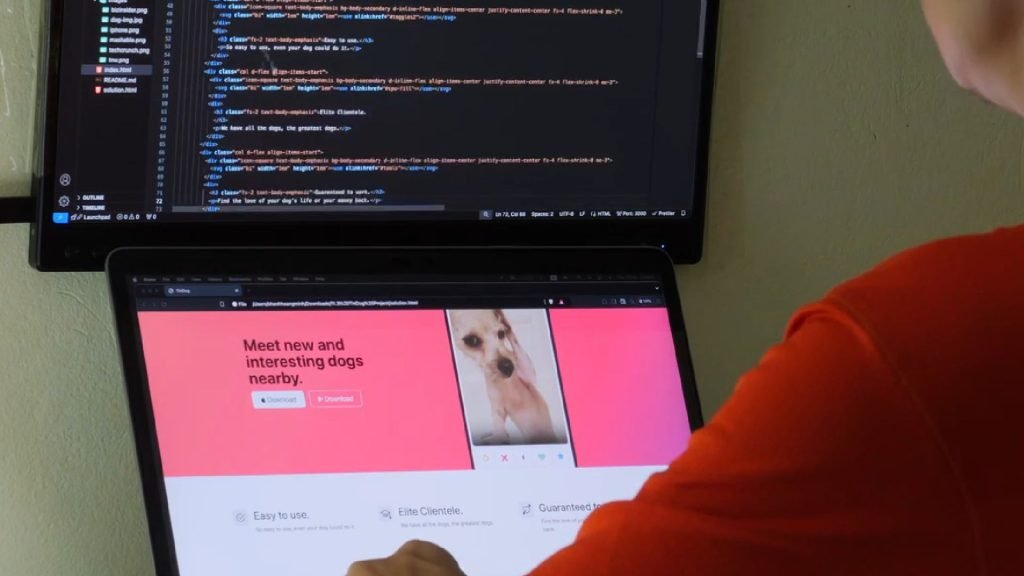
A professional web designer understands user psychology. They strategically arrange elements using logical visual hierarchy, intuitive navigation, and high-impact Call-to-Action (CTA) buttons. This intentional design transforms a casual browser into a paying client by establishing immediate trust.
Conclusion
Building your own website is like trying to fix your own commercial plumbing—sure, you might get the water to run, but you run a high risk of causing a major flood later. A professional web designer ensures your digital headquarters is fast, secure, beautiful, and explicitly engineered to convert traffic into profit.
just parabraph